0
-
An empty cart
You have no item in your shopping cart

In many Asian cultures, food is never just food. It’s a blessing, a symbol, and sometimes a promise for the future. One of the most meaningful examples of this belief is the Japanese 100-day celebration for infants, a time-honored tradition centered on health, gratitude, and the power of nourishment.
This ritual—deeply rooted in Japanese culture and shared across several Asian countries—reminds us that the foods we introduce early in life carry meaning far beyond the plate.
In Japan, the 100-day anniversary of a baby’s birth is known as Okuizome (お食い初め), which loosely translates to “first feeding.” While the infant does not actually eat the food, the ceremony symbolically marks the wish that the child will never go hungry and will grow strong, healthy, and well-nourished throughout life.
Historically, infant mortality rates were high, and reaching 100 days was a major milestone. Families gathered to give thanks, honor life, and set intentions for the child’s future—using food as the central expression of hope. It’s a wonderful way to count blessings.
Food, after all, speaks louder than words.
It’s a special prepared feast. Each item in the traditional Okuizome meal carries meaning:
The foods are offered in a specific order, reinforcing mindfulness, gratitude, and intention. No rushing. No distractions. Just presence.
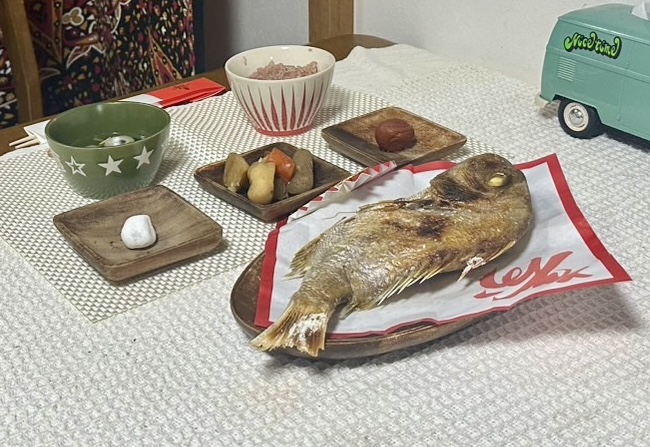
In this ritual, the oldest person present uses chopstick to gently touch the baby’s lips with a bit of each of the traditional foods being offered, then eating the food themself mimicking eating. This is symbolic since at this young age, an infant cannot actually eat solid food.
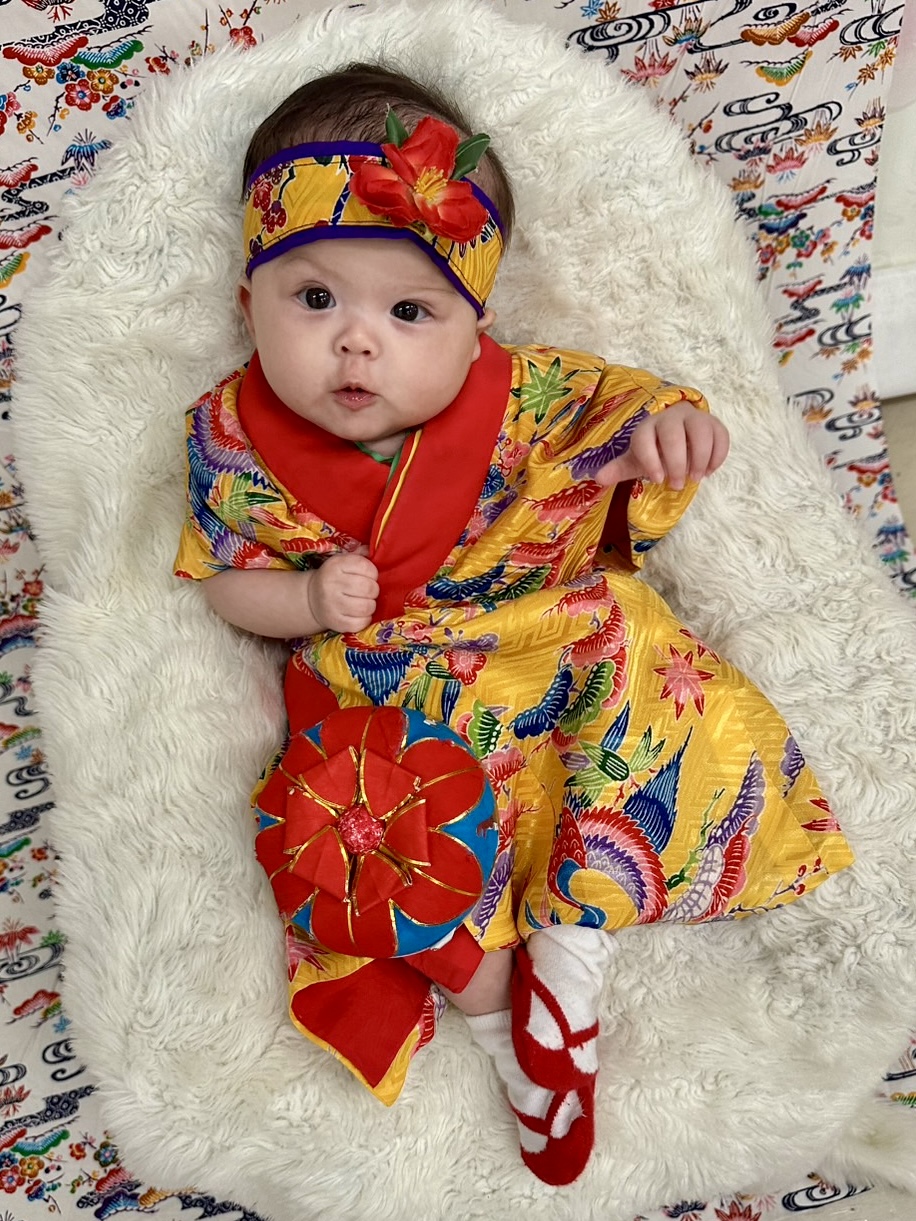
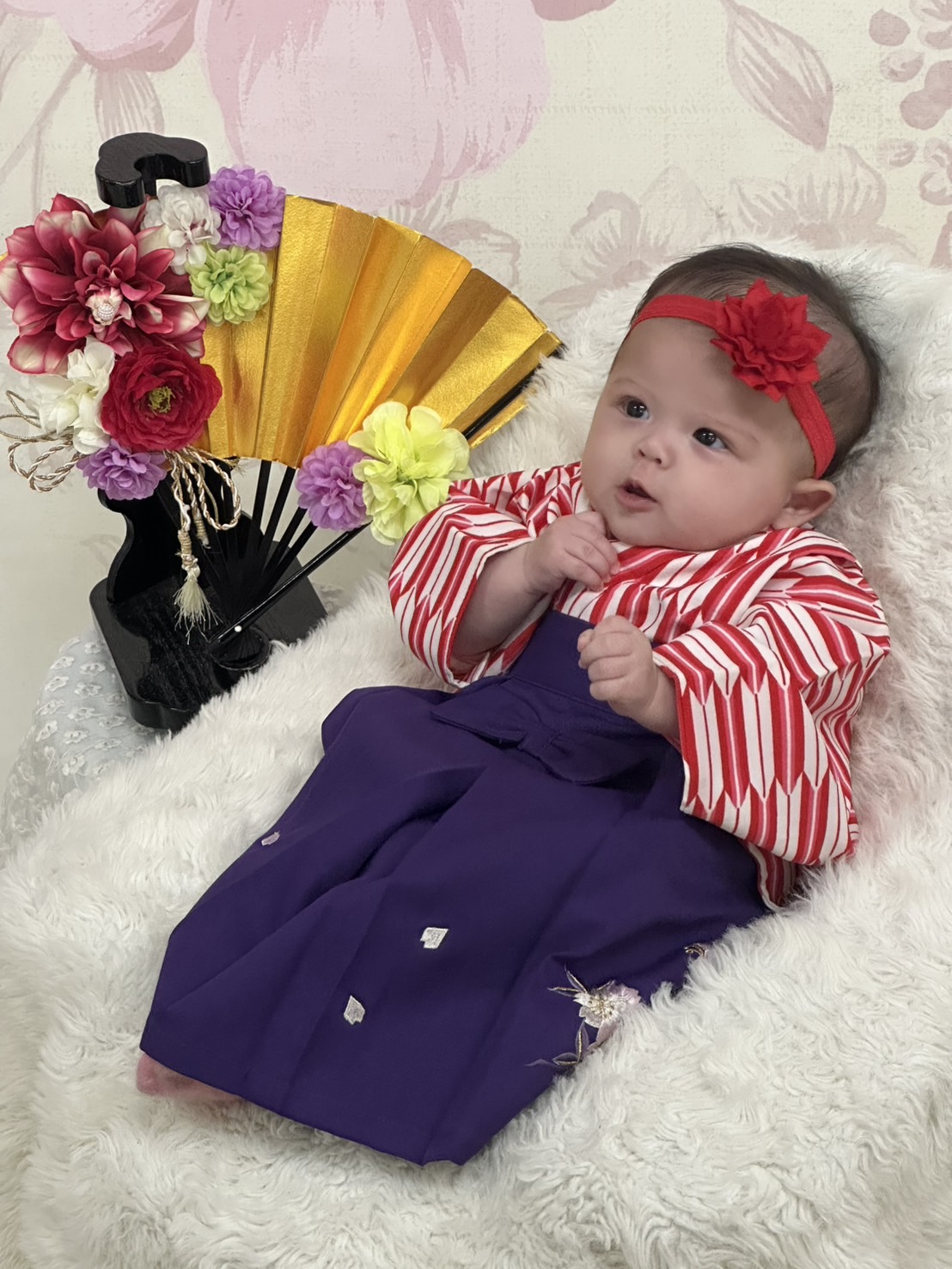
Today, the 100-day celebration is also honored with photographs of infants in traditional style dressing gowns to carry on historic culture. It’s a way to pass on traditions and blessings for a child’s future prosperity and health.
Modern parenting often moves fast—purees, pouches, schedules, screens. The 100-day celebration offers a gentle reminder to slow down and recognize food as:
At Better Option Foods, we believe that what we eat—at every stage of life—matters. Nutrient-dense, thoughtfully sourced foods help support brain health, digestion, energy, and overall well-being. That belief aligns seamlessly with traditions like Okuizome, which honor nourishment from the very beginning.
While Okuizome is uniquely Japanese, similar 100-day infant celebrations appear throughout Asia:
China celebrates Bai Ri with red-dyed eggs symbolizing happiness and protection
Korea observes Baek-il, honoring survival and resilience
Vietnam and other Southeast Asian cultures hold comparable ceremonies focused on health and nourishment
Across cultures, the message is the same: food equals care.
While the infant may not eat during the ceremony, the intention is powerful:
May this child always have access to good food and good health.
That intention doesn’t expire at childhood.
Whole, functional foods—like hemp seed foods rich in plant-based protein, healthy fats, and essential nutrients—can play a meaningful role in supporting wellness across generations. When we choose better options, we continue the tradition of care that ceremonies like the 100-day celebration represent.
The Japanese 100-day anniversary isn’t about perfection. It’s about presence. It’s about recognizing that food connects us to our ancestors, our families, and our future. It’s about gathering around the table together to share a meal with meaning.
Whether you’re nourishing a growing child, supporting your own health, or sharing meals with loved ones, every bite tells a story. Pass down those family traditions.
Remember too, it’s easy to bring better nutrition to those old family recipes by adding hemp hearts to your meal. It’s worth passing on.
Eat Better. Feel Better. Your worth it!
Wishing you and your families a very blessed New Years.
For more official information on this 100-day celebration